
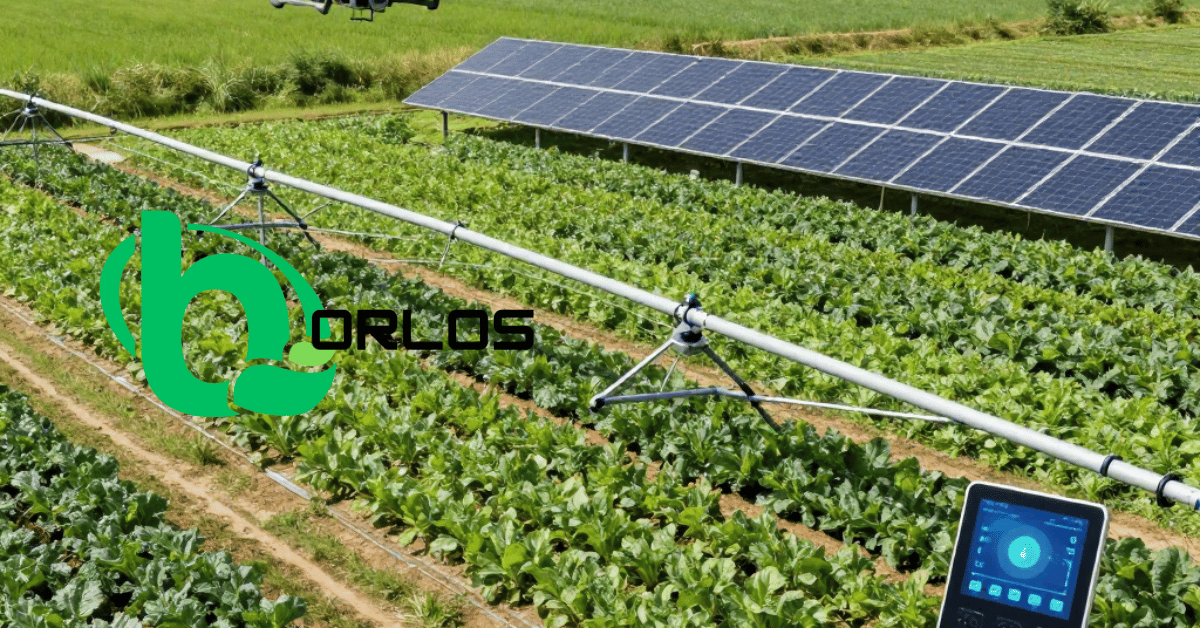
From the rolling fields where farmers have worked for generations to the cutting‑edge labs developing soil‑sensing robots, agriculture has always been a blend of people and tools. Yet today, that blend is being tested like never before. With global climate challenges, rising populations, and shrinking resources, technology is stepping in to support farms large and small — but critics worry it could push out the very people who make farming an art, not just a profession.
So how do we bridge tradition with innovation without losing the human touch? Let’s dive in.
🌱 Why Sustainable Farming Matters
Before we talk tech, let’s set the scene:
Sustainable farming isn’t just about “organic” labels or cute pictures of goats on social media. It’s a holistic approach that ensures:
- Healthy soil that continues to produce crops for generations.
- Clean water that isn’t polluted by runoff.
- Biodiversity that supports crops and ecosystems.
- Economically viable farms where people can actually make a living.
- Fair treatment of workers and communities.
In short: sustainable farming aims to feed people today without starving the planet tomorrow.
And people — not machines — are the heart of it.
🤖 Enter Technology: The Good, the Buzzworthy, and the Practical
Technology in farming isn’t a sci‑fi dream anymore — it’s here. But before you picture drones spraying crops like something out of a futuristic movie, let’s understand how tech is being used thoughtfully and sustainably.
🌍 1. Precision Agriculture — Because Every Inch Counts
Picture this: a farm where irrigation isn’t one‑size‑fits‑all, but tailored to each patch of soil. That’s precision agriculture.
Using tools like:
- GPS mapping
- Soil moisture sensors
- Satellite imagery
- Variable‑rate fertilizer systems
…farmers can know exactly where plants need water, nutrients, or attention.
Why it matters:
Instead of flooding entire fields with fertilizer, water, or pesticides (which can waste resources and harm ecosystems), precision tools allow targeted application — saving money and protecting the environment.
Human touch preserved:
Farmers interpret the data, make decisions, and care for the crops. The technology doesn’t replace them — it magnifies their expertise.
🌦️ 2. Climate‑Ready Insights — Predictive Analytics
Weather is the oldest foe of farming. A late frost or dry spell can destroy months of work in a day.
Now enter predictive analytics, which uses historical and real‑time data to forecast patterns and help farmers make informed decisions:
- When to plant
- When to harvest
- When to irrigate
- When to protect crops from weather threats
This isn’t magic — but it feels like it to someone who used to rely on gut feeling alone.
The human edge:
Farmers still decide what actions to take — they’re guided, not replaced, by forecasts. It’s like giving an experienced captain a state‑of‑the‑art weather station on the bridge.
🐝 3. Robotics & Automation — Work Smarter, Not Harder
Robotics often gets a bad rap in farming: “robots taking jobs!” But in reality, in sustainable farms robots are more like trusted helpers.
Examples include:
- Autonomous mowers
- Weeding robots that replace chemical herbicides
- Harvesting bots for delicate crops like berries
These machines reduce repetitive tasks and allow farmers to focus on higher‑order creativity and stewardship — planning crop rotations, breeding better plants, engaging community markets.
But before you get visions of robot overlords…
Bots are tools — they part of a farmer’s toolkit, like tractors or pitchforks. They don’t operate independently; they support human decisions and free humans from physically punishing chores.
🌾 Human Touch: The Heartbeat of Farming
Let’s be real: farming isn’t just planting and picking. It’s about:
- Sense of soil texture.
- Reading animal behavior.
- Tradition passed down through conversations between generations.
- Culture, community, and food identity.
Consider:
✨ A grandmother passing apple grafting techniques to her grandchild.
✨ A farmer feeling the soil with their bare hands to determine nutrient needs.
✨ Neighbors swapping seeds, stories, and survival secrets.
Those moments are irreplaceable.
Technology should support this, not erase it.
🧠 Tech + Tradition: How They Work Together
Here are real‑world ways technology can uplift the human side of farming:
📍 Data That Honors Local Knowledge
Instead of replacing lived experience, tools like farm‑level data dashboards help farmers verify and refine their instincts. A farmer might feel the soil is dry — but soil moisture sensors confirm it.
This hybrid approach:
✔ Strengthens decision‑making
✔ Encourages experimentation based on evidence
✔ Respects local wisdom
🤝 Tools Built For Farmers, Not Against Them
When developers and farmers collaborate, the tech reflects real needs.
For example:
- Apps in local languages
- Simple interfaces for all ages
- Tools that work without high‑speed internet
This prevents tech from becoming exclusive or alienating.
🧬 Biotech That Works With Nature
Some fear biotechnology (e.g., gene editing) will “mess with nature.” But many advances are helping plants become:
- Drought resistant
- Pest resistant
- More nutritious
When used responsibly and transparently, these tools enhance sustainability — reducing the need for chemical inputs and preserving biodiversity.
🧑🌾 Stories from the Field
Let’s humanize all this with a few narrative snapshots (realism meets vibe):
🌾 Story #1 — The Old Soil and the New Sensor
Maria, a third‑generation farmer, had never trusted gadgets.
“You don’t need a machine to tell you dirt is dry,” she used to say.
Then she tried soil moisture sensors.
Now?
She laughs, watering half as much, growing more, and still insisting she’s “the one who feels the ground better than any machine.”
The tech didn’t replace her; it validated her instincts.
🐐 Story #2 — Robotics Helps Rescue Goat Herd
Ahmed’s small herd of goats grazed tough terrain. Manual weeding was back‑breaking. Enter a weeding robot from a regional farm co‑op.
The result?
More time for Ahmed to care for the goats, teach local youth animal husbandry, and organize a mini‑farmers’ market every Saturday.
His goats are healthy, his community engaged, and the robot… well, it’s just part of the team.
🍅 Story #3 — Analytics and the Late Frost
At the edge of frost lines, climate risk is high.
Lisa used predictive tools to delay planting tomatoes by a week — saving thousands of dollars in crop loss.
She says:
“The tech didn’t farm — it helped me avoid hurting the farm.”
⚖️ Balancing Risks and Rewards
Of course, technology comes with challenges.
Let’s address the biggest ones:
💸 Cost Barriers
Tech can be expensive upfront — sensors, drones, and analytics platforms aren’t cheap.
Solutions:
- Co‑ops (farmers pooling resources)
- Government grants
- Open‑source tools
This ensures smaller farms aren’t left behind.
📊 Data Ownership & Privacy
Who owns farm data?
Farmers must retain control — not corporations harvesting insights for profit.
Farms are people’s homes, legacies, and identities — not data mines.
👨🎓 Training and Accessibility
New tools can be intimidating.
Workshops, mentorship, and user‑friendly design ensure farmers aren’t overwhelmed.
After all, sustainability isn’t just about soil and water — it’s about people feeling confident and capable.
🌟 The Future: Human + Tech, Not One or the Other
Picture a sustainable farm of the future:
- Farmers using AR glasses to augment field data.
- Soil robots handling repetitive weeding while people focus on creative cultivation.
- Data apps that connect farmers globally — sharing insights, not competition.
- Communities centered around food, identity, and collective resilience.
And at the center? People.
Farming will always be about humans caring for land, animals, and each other — technology simply amplifies that care.
🧠 Key Takeaways
| Theme | What It Means |
|---|---|
| Tech supports, doesn’t replace | Machines handle tasks; people make decisions. |
| Local wisdom matters | Traditional knowledge is a foundation. |
| Sustainability is holistic | It includes ecology, economy, and community. |
| Access and equity matter | Tech must be inclusive, not exclusive. |
| Human touch is irreplaceable | Machines can assist — but they can’t love the land like a farmer does. |
🌍 Final Thought
Technology in sustainable farming isn’t about flashy gadgets or cold automation. It’s about human ingenuity amplified by tools that care for land, people, and future generations. In bridging tradition with innovation, we don’t lose the soul of farming — we strengthen it.
As one farmer once said:
“The plow and the laptop both belong in the field — it’s the heart in between that really farms.”
Leave a Reply